


Melbet Aviator brings the fast-paced crash-game format to a mobile casino interface, where each round asks players to decide when to cash out before a rising multiplier disappears. For UK casino fans, the appeal is easy to understand: rounds are short, the rules are simple to grasp, and the game works well on a phone screen. But speed and simplicity do not remove the risks of gambling. This review looks at how Aviator plays on Melbet mobile, what to check before using the service in the United Kingdom, and how to approach the game responsibly.
What is Aviator?
Aviator is a crash-style casino game. A small aircraft takes off, and a multiplier begins to rise from its starting point. A player places a stake before the round starts and must cash out while the multiplier is still active. If the plane flies away first, the round ends and any stake that has not been cashed out is lost. The exact outcome is not something players can predict by watching earlier rounds.
The basic attraction is the choice between taking a modest return early or holding on in the hope of a larger one. A rising number can make the decision feel urgent, especially when the multiplier has climbed beyond a player’s usual cash-out point. That tension is part of the game’s design, not evidence that a win is due.
Playing on Melbet mobile
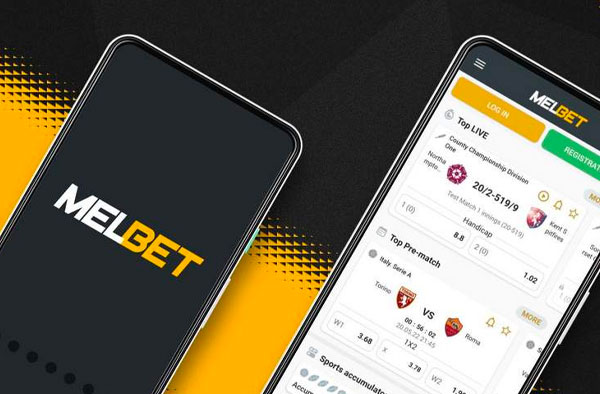
On a mobile site or app, the game is presented in a compact layout: the current round takes centre stage, with controls for entering a stake and cashing out nearby. Depending on the version available, players may also see recent results, a history panel, chat, or settings for automatic actions. Features can differ by device, software version, and location, so check the live interface rather than assuming every option is available.
For players searching for the Melbet app, it is important to distinguish the app experience from the game itself. Aviator’s rules remain the same whether it is opened through a mobile browser or a supported application, but installation, account access, and payment options can vary. Download software only from an official source, review the permissions it requests, and avoid links sent through unsolicited messages.
Interface and usability
Aviator’s uncluttered presentation suits smaller screens. The main action is visually clear, and the short round cycle means there is little waiting between turns. That convenience can also encourage repeated play. Consider setting a time limit before opening the game and use the account controls available to you if you need a break or want to restrict access.
Mobile performance depends on the connection and device. A slow or unstable network may make the experience frustrating, particularly when a cash-out decision is time-sensitive. Do not assume that a delayed screen means a wager has been cancelled. Check the game’s displayed status and the operator’s rules for how interrupted rounds are handled.
How a round works
- Choose a stake: Set an amount you can afford to lose, within the game’s displayed limits.
- Enter before the round: The game accepts bets during its betting phase. The interface should show whether your stake has been placed.
- Watch the multiplier: Once the plane takes off, the multiplier increases until the round ends.
- Cash out or accept the risk: If you cash out in time, the return is generally based on your stake and the multiplier shown at that moment, subject to the game’s rules. If the round ends first, the stake is lost.
Some versions offer automatic cash-out or multiple betting positions. These tools can reduce the need to tap at a precise moment, but they cannot make a round predictable or guarantee a profit. Review the settings carefully before using them, and confirm that any automatic instruction is applied to the intended stake.
Demo play and learning the controls
If a demo mode is available, it can help you learn where the controls are and how the round progresses without risking real money. Demo results should not be treated as a forecast of real-money outcomes. They are useful for understanding the interface, not for proving that a particular timing method works.
Before moving to paid play, read the game information and the operator’s terms. Confirm the minimum and maximum stakes, any rules about interrupted rounds, and how winnings are credited. If the available version does not clearly explain these points, pause and seek clarification rather than placing a wager you do not understand.
What players may like
- Quick rounds: A game can begin and finish within moments, making it easy to fit into a short session.
- Simple core mechanic: Players mainly decide whether and when to cash out.
- Mobile-friendly layout: The central multiplier and betting controls are suited to a phone display.
- Optional practice: Where offered, demo play gives newcomers a chance to explore the controls without a cash stake.
These are usability strengths, not reasons to expect a favourable result. A game can be engaging and easy to operate while still carrying a substantial risk of losing the full stake.
Odds, risk, and responsible play
Every crash round has an uncertain endpoint. A sequence of low multipliers does not mean a high one is about to arrive, and a long run of high results does not mean the next round must be low. Previous outcomes do not provide a dependable system for predicting what happens next. Treat any strategy based on patterns, streaks, or “due” results as entertainment rather than an edge.
Decide on a spending limit before you begin, and do not use money needed for bills, rent, food, or other essentials. Set a session time limit as well as a budget. Avoid increasing stakes to recover losses, and take a break if you feel pressured, frustrated, or unable to stop. Gambling should be an optional form of entertainment, never a way to make money.
For UK readers, check the operator’s current licensing and availability for your location before registering or depositing. Do not assume that a brand’s international presence means that a particular service is authorised to provide gambling in Great Britain. Read the terms, age requirements, identity checks, payment conditions, and withdrawal rules that apply to your account. People under 18 must not gamble.
Questions and answers
Can Aviator be played on a phone?
The game is designed to work on mobile interfaces where it is offered. Availability through a browser or an app depends on the operator’s current service, your device, and your location. Use official access points and check that the game loads correctly before staking money.
Does a higher cash-out target improve the chance of a win?
A higher target means waiting for a larger multiplier, but it also leaves more time for the round to end before you cash out. There is no target that guarantees success. Choose a limit based on your tolerance for risk, not on the belief that a particular threshold is certain to arrive.
Is demo mode the same as playing for money?
Demo mode can show the mechanics, but it does not make real-money play risk-free and may not reproduce every account or payment condition. Use it to learn the controls, not to estimate future results.
What should I do if the game freezes?
Avoid immediately placing another stake. Check your connection, the round status, and your account history. Then consult the operator’s help centre for its procedure for interrupted games. Keep relevant transaction details if you need to contact support.
Final verdict
Melbet Aviator is a straightforward mobile crash game built around a single, high-pressure decision: cash out now or risk waiting longer. Its quick rounds and clear interface may appeal to players who enjoy simple games with an element of suspense; The same speed can make it easy to lose track of time or spend more than intended, so firm limits matter.
For UK casino fans, the sensible approach is to verify that the service is legitimately available to them, understand the rules and payment terms, and treat every stake as money that could be lost. Try a demo if you want to learn the controls, but do not mistake practice or past results for a winning formula. If gambling stops being enjoyable or feels difficult to control, step away and use appropriate support and self-exclusion tools.
